


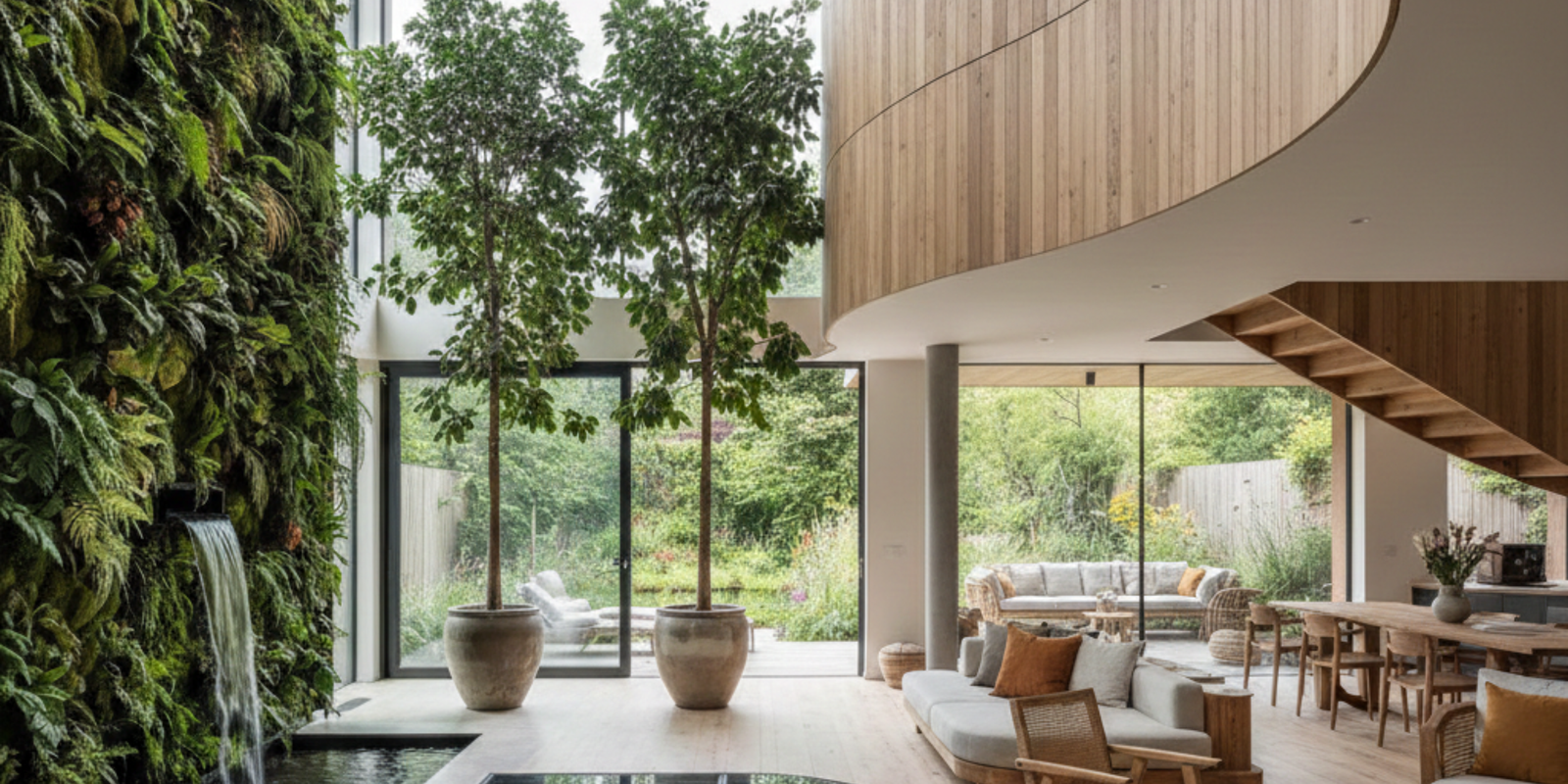
Biophilic design home trends are rapidly transforming how we live, delivering measurable improvements in mental health, productivity, and overall well-being for homeowners. Amid the drive for healthier, more restorative living spaces, this hands-on guide cuts through hype—explaining the proven benefits, actionable steps, hidden challenges, and real-world insider tips for integrating nature into your daily environment.
Key Takeaways
- Biophilic design in homes is scientifically linked to lower stress and sharper cognitive function according to research.
- Most guides overlook key details like plant choices, practical maintenance, and tech integration—which are critical for success.
- Strategic planning helps you avoid costly mistakes and maintenance headaches during your biophilic design project.
- The Core Concept: What Biophilic Design Means for Your Home
- Step-by-Step Guide: How To Add Biophilic Design to Your Home
- Advanced Analysis & Common Pitfalls
- Conclusion
- FAQ
The Core Concept: What Biophilic Design Means for Your Home
Biophilic design is a practical approach to interior design that brings natural elements into your living spaces to support health, happiness, and performance. It goes far beyond simple houseplants—think living walls, natural materials, daylight maximization, and multi-sensory connections with nature. What makes this more than a trend? Research shows homes with higher levels of biophilic features, such as plants, sunlight, and natural views, deliver concrete health benefits: lower stress levels, improved mood, and even enhanced attention and mental clarity.
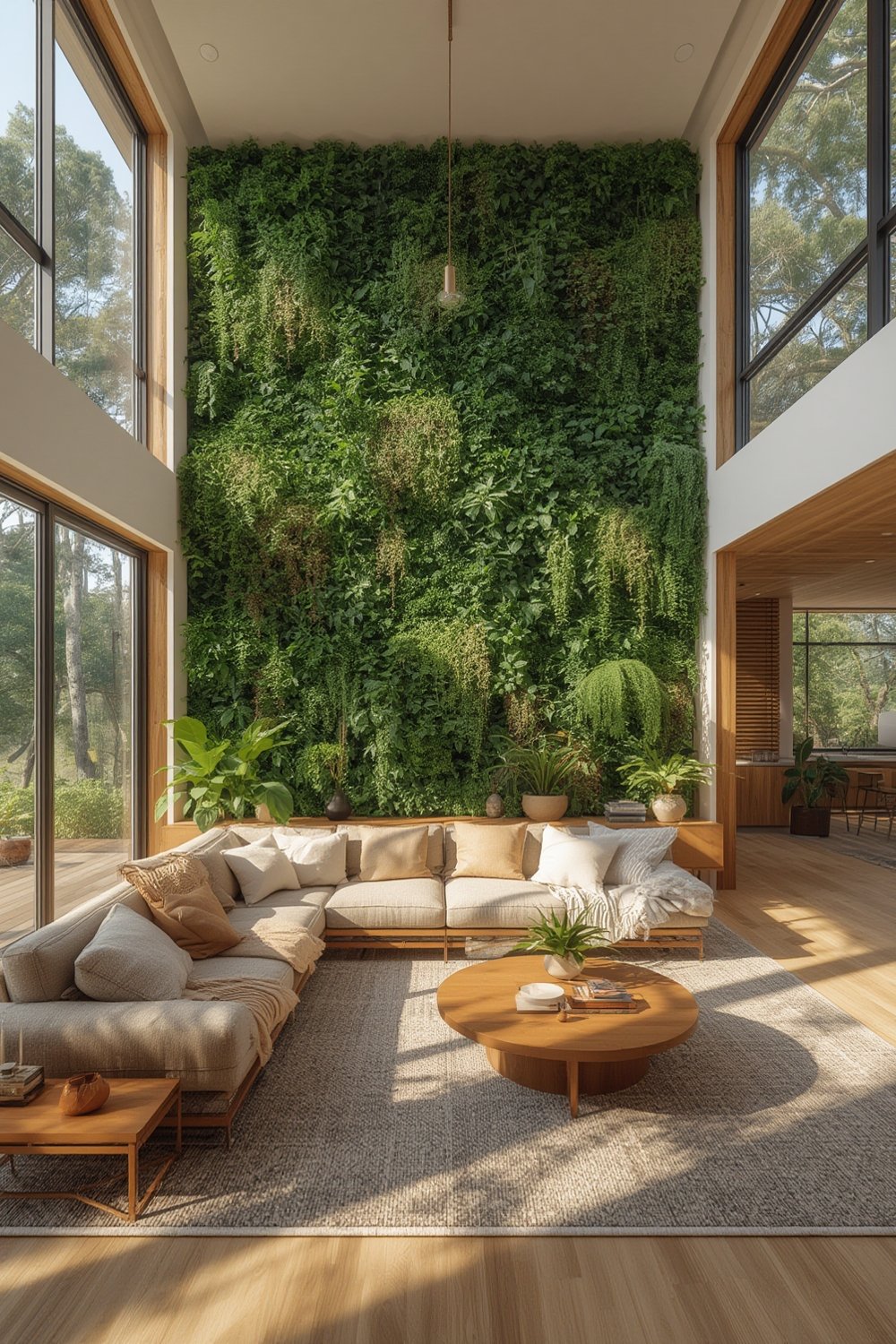
Recent studies (2023 to 2025) have scientifically measured these effects. Exposure to biophilic environments correlates with reduced anxiety, faster recovery from stress, and tangible improvements in mental well-being (β = 0.230, p = 0.005). Systematic reviews even found connections between biophilic design and better air quality, reduced pain perception, and positive impacts on brain function and property value. This is more than just “trendy” decor—it’s home improvement with proven returns.
For inspiration on how spa-like environments enhance well-being, check out our guide to spa bathroom remodeling.
Step-by-Step Guide: How To Add Biophilic Design to Your Home
Ready to reap the benefits? Here’s how to realistically plan, install, and maintain biophilic design features at home.
- Map your sunlight and views. Spend a day observing which spaces receive the most natural light and which have outdoor views. Note how light changes morning through evening.
- Pick your biophilic focal point. Decide if you want a living wall, a clustered indoor garden, strategic indoor trees, or a few statement planters. You don’t need to go overboard—target one area at first.
- Select appropriate plant species. Choose plants suited to your light conditions and tolerance for maintenance. Low-light options like snake plant, pothos, and ZZ plant work in many rooms. For sunny areas, try fiddle leaf fig, rubber tree, or palms. (Most guides skip this step—avoid impulse buying at the nursery!)
- Incorporate natural materials and textures. Layer wood, stone, jute, or bamboo into the décor—shelving, floors, or accent walls. These add warmth and deepen the biophilic effect.
- Plan for easy maintenance. Choose self-watering planters, install drip irrigation for living walls, or incorporate smart sensors to avoid common maintenance headaches.
- Add multisensory triggers. Open windows for natural airflow, add a water feature for subtle sound, or introduce diffused, tree-like lighting.
Need further design inspiration? Our article on landscaping with expert help offers creative ideas that can be adapted indoors and outdoors.
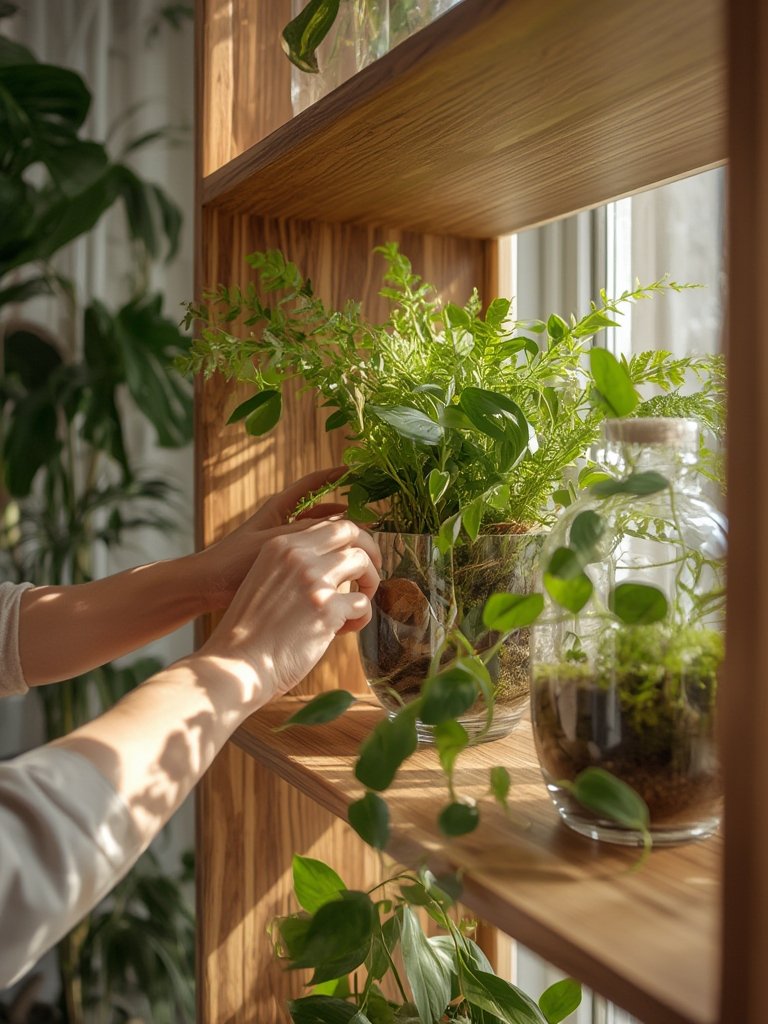
- Consider smart home integration. Automate your plant care with Wi-Fi-enabled irrigation, light monitors, and humidity sensors. This reduces ongoing labor and helps sustain your investment.
- Budget realistically for setup and care. While costs can vary, expect to spend $300 to $2500 for a quality living wall, plus 10-20% per year for maintenance and plant replacement.
- Monitor changes in your well-being. Keep a journal to track mood, energy, and productivity before and after your biophilic upgrades. This step is often skipped but proves the value of your investment.
For bathroom-specific luxe ideas, see our breakdown of 7 amazing spa bathroom remodel strategies.
Advanced Analysis & Common Pitfalls
Reality check—implementing a biophilic design home isn’t all smooth sailing. Many homeowners underestimate the complexity of living walls or green wall systems—and overestimate their “set and forget” potential. It’s easy to get caught on looks, yet real-world feedback shows these projects require planning, ongoing care, and technical awareness.
| Biophilic Feature | Common Pitfall | How to Prevent It |
|---|---|---|
| Living Walls | Irrigation failures, plant die-off, mold behind panels | Install monitored, modular systems; ensure ventilation and easy access for maintenance |
| Large Planters/Clusters | Choosing incompatible species, inconsistent watering schedules | Use easy-care species, group by care needs, connect to automated waterers |
| Natural Materials | Poor durability in kitchens/baths, warping with humidity | Seal materials for wet spaces, pick weathered hardwoods and stone |
| Smart Irrigation/Sensors | Tech incompatibility, unreliable Wi-Fi, “dumb” timers | Choose integrated, brand-agnostic systems; test coverage pre-installation |
Few articles detail these obstacles. Details on building codes or required technical standards for indoor living walls are limited. However, practical challenges from healthcare settings (like the need to plan for humidity control, pests, and actual plant longevity) absolutely apply at home. If you rent, or plan a major installation, consult a specialist and consider moisture barriers to protect your property.
Direct before and after studies on homes aren’t yet widely published, but quantitative research ties enhancement of biophilic qualities directly to better self-reported comfort, attention, and energy. Bonus: There’s emerging evidence that greater biodiversity and biophilic landscaping may increase property values, similar to findings in outdoor landscape upgrades (source: Agboola et al., 2024).
Looking to boost your entire property’s curb appeal? See our guide to stunning yard transformations with landscaping services.
Conclusion
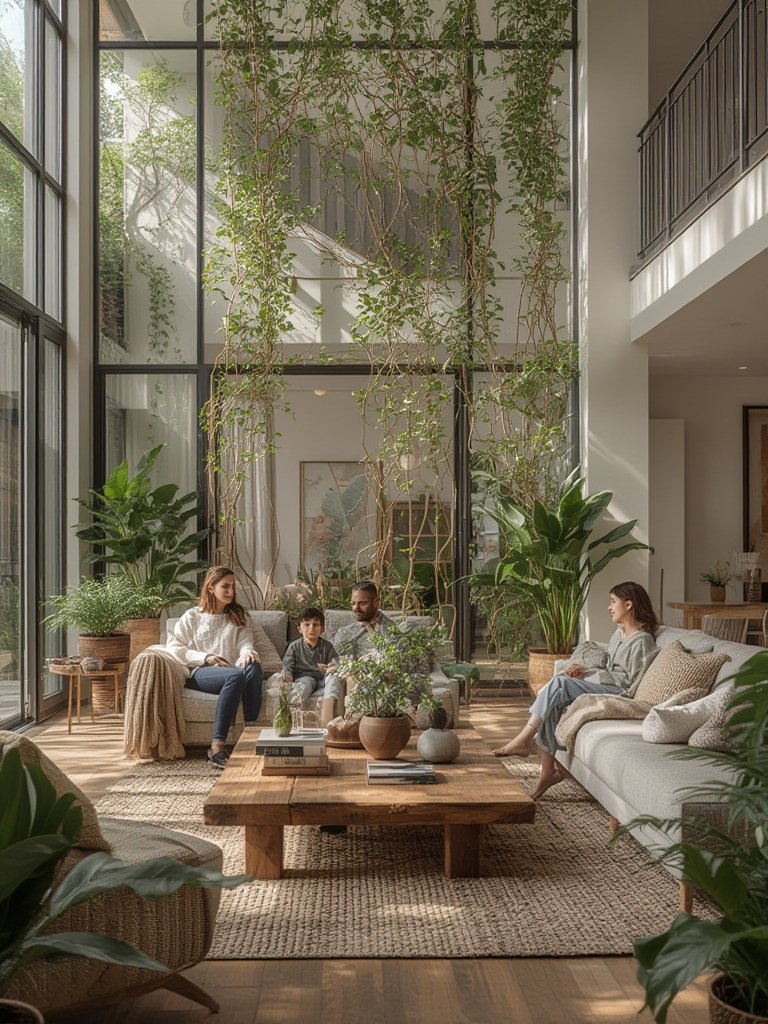
The right biophilic design home upgrade doesn’t just look beautiful—it can measurably improve your mood, energy, and potential resale value when carefully planned and maintained. Think beyond fads; focus on the strategies and species that match your specific needs, leverage automation where possible, and always plan for long-term care.
Ready to transform your home into a healthier, more restorative environment? Start today with practical biophilic upgrades, and check our proven spa bathroom guide for even more wellness-enhancing tips.
FAQ
Is biophilic design home just about adding houseplants?
No. While plants are an important elements, biophilic design also includes maximizing daylight, using natural materials, creating airflow, and even introducing water features or nature-inspired artwork to create a multi-sensory experience.
What are the biggest mistakes people make with living walls?
The top mistakes include poor species selection for the lighting provided, underestimating water and maintenance needs, lack of ventilation (leading to mold), and skipping technical planning for irrigation and support structures.
How much does it usually cost to set up and maintain a living wall at home?
Pricing varies, but expect $300 to $2500 upfront for a small to medium system, plus ongoing annual maintenance (10-20% of initial cost) for plant replacement, irrigation, and cleaning.
Are there simple options for renters who want a biophilic design home?
Yes. Try movable plant clusters, stick-on window shelves for herbs, and portable moss walls. Avoid permanent installations or changes that might damage the property.
Where can I find more inspiration and practical home improvement tips?
Explore our step-by-step guides on spa bathrooms and outdoor landscaping for more actionable ideas.