


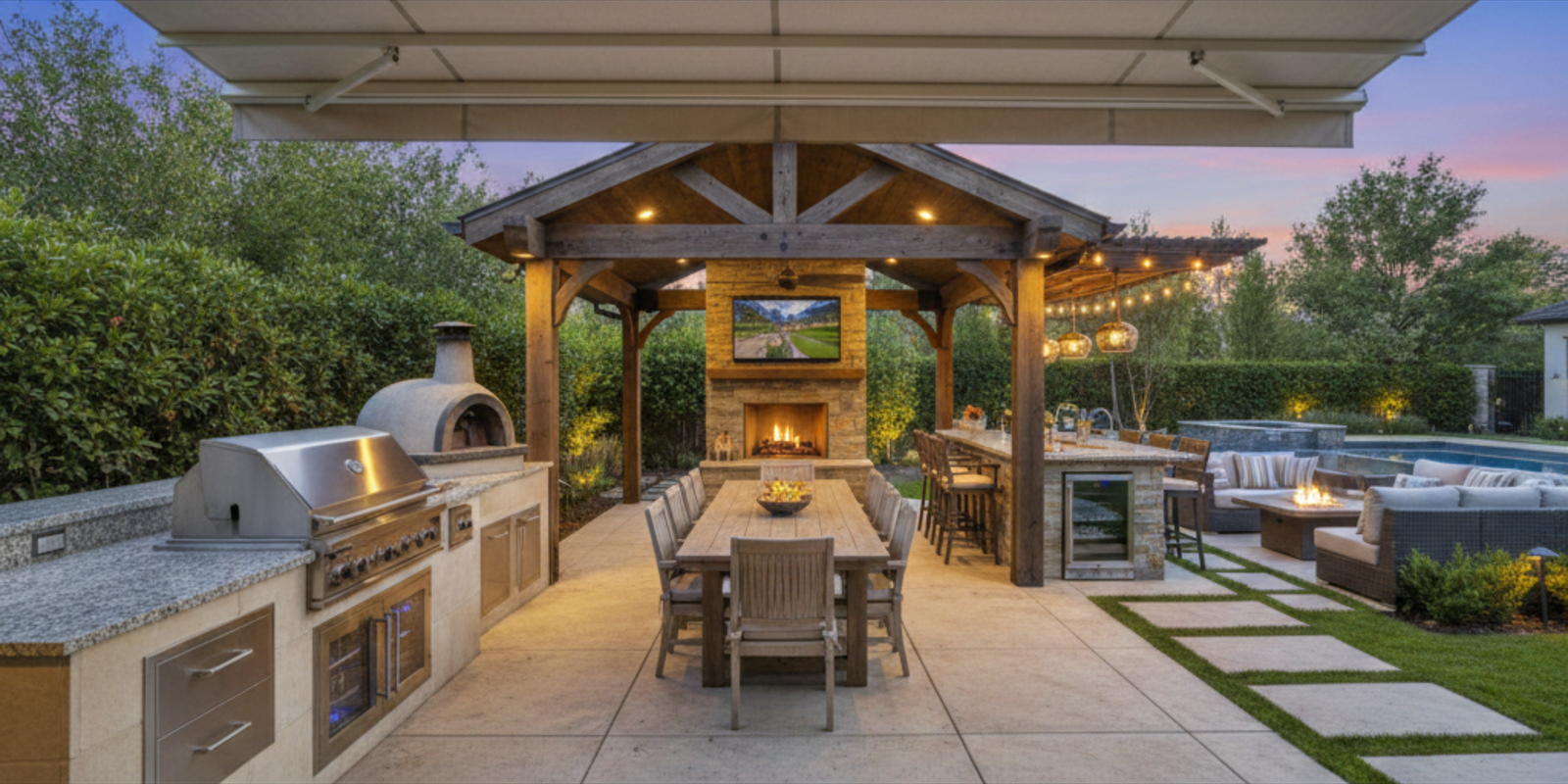
Outdoor kitchen installation is one of the most rewarding home upgrades for homeowners in 2024, delivering a dramatic boost to outdoor living value and year-round entertaining. But as outdoor cooking becomes more high-tech and regionally driven, knowing what to plan for—and what pitfalls to avoid—matters more than ever.
Key Takeaways
- The outdoor kitchen market hit $24.6 billion in 2024, with North America leading and major growth ahead—design and material trends are evolving quickly.
- Many homeowners face challenges with utility hookups, weatherproofing, and code compliance—these issues are often glossed over in popular guides.
- Smart technologies, modular components, and weather-resistant materials are reshaping installation, but regional codes and climate still drive key decisions.
- Outdoor Kitchen Installation: The Core Concept
- Step-by-Step Guide: How to Install an Outdoor Kitchen
- Advanced Analysis & Common Pitfalls
- Conclusion
- Frequently Asked Questions
Outdoor Kitchen Installation: The Core Concept
Outdoor kitchen installation goes beyond dropping a grill in the backyard. It’s a structured process involving site selection, layout design, utilities, permits, all-weather materials, and advanced tech integration. A well-planned setup maximizes your property’s entertaining value, improves home resale value, and lets you enjoy alfresco dining almost year-round. The 2024 outdoor kitchen market is booming—projected to reach $58.8 billion by 2034 (source). North America dominates with a 46% share, driven by the popularity of modular kitchens, smart appliances, and outdoor living trends. Homeowners increasingly look for durability, flexibility, and amenities that match their indoor spaces.
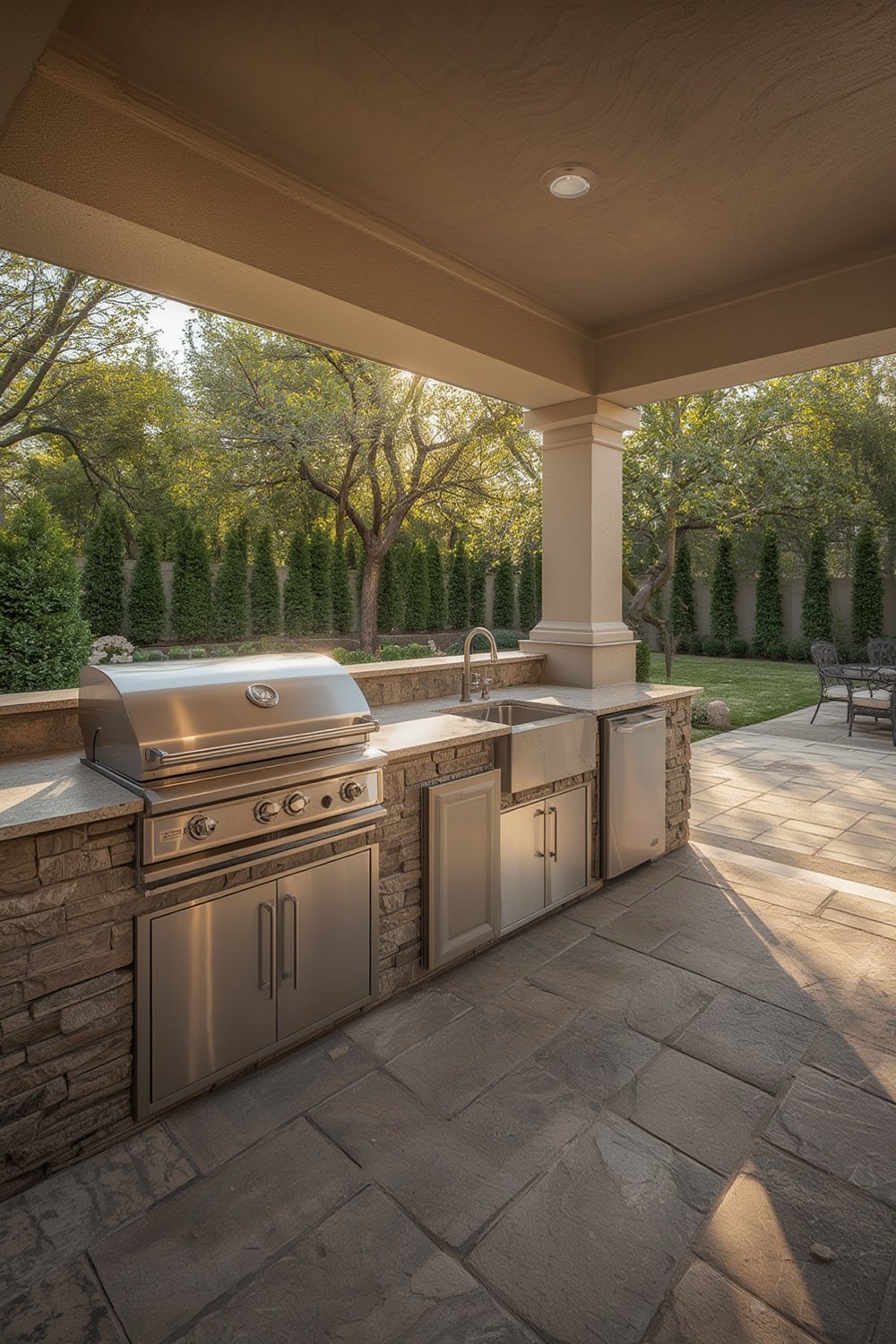
Step-by-Step Guide: How to Install an Outdoor Kitchen
Ready to move from planning to action? Here’s a clear plan to deliver a functional, problem-free outdoor kitchen installation—even if you’re new to home improvement.
- Assess Your Site & Climate
Identify the best spot relative to your home, wind direction, sun exposure, and access to existing utilities. If you live in the Sun Belt (California, Texas, Florida, Arizona), you have year-round use—but harsh climates will require sturdier weatherproofing. Ensure your space is level, well-drained, and free of tree roots. - Check Permits and Codes
Call your city or county building department to verify what’s needed for gas, electric, or water hookups. Outdoor kitchens often need permits, especially for gas lines and new circuits. Code violations can mean expensive rework. - Outline Your Layout and Zones
Design for workflow: keep cold storage, prep space, sink, and cooking zones in logical sequence. Check out modular solutions for flexibility—these save time and work well with existing conditions. If you want a spa-like backyard overhaul, see inspiration in our bathroom remodel guide, where flow matters too. - Select Materials Wisely
Choose non-rusting aluminum or coated stainless steel cabinets (report) and weather-resistant counters for easy maintenance. Skip wood unless fully marine-grade. Energy-efficient, IoT-ready appliances are increasingly popular. - Plan Utilities with Precision
Route gas, water, and power safely. Build in access panels for maintenance. If you’re unsure, hire a licensed pro—code violations are costly. Consulting a landscaping expert can also help with site compatibility (see landscaping tips). - Consider Lighting and Smart Tech
Integrated dimmable LED lighting (by task and ambiance) is overlooked but hugely valuable after sunset. Use IoT devices and app-controlled systems to modernize your setup—these are now in demand but rarely installed well. - Final Assembly
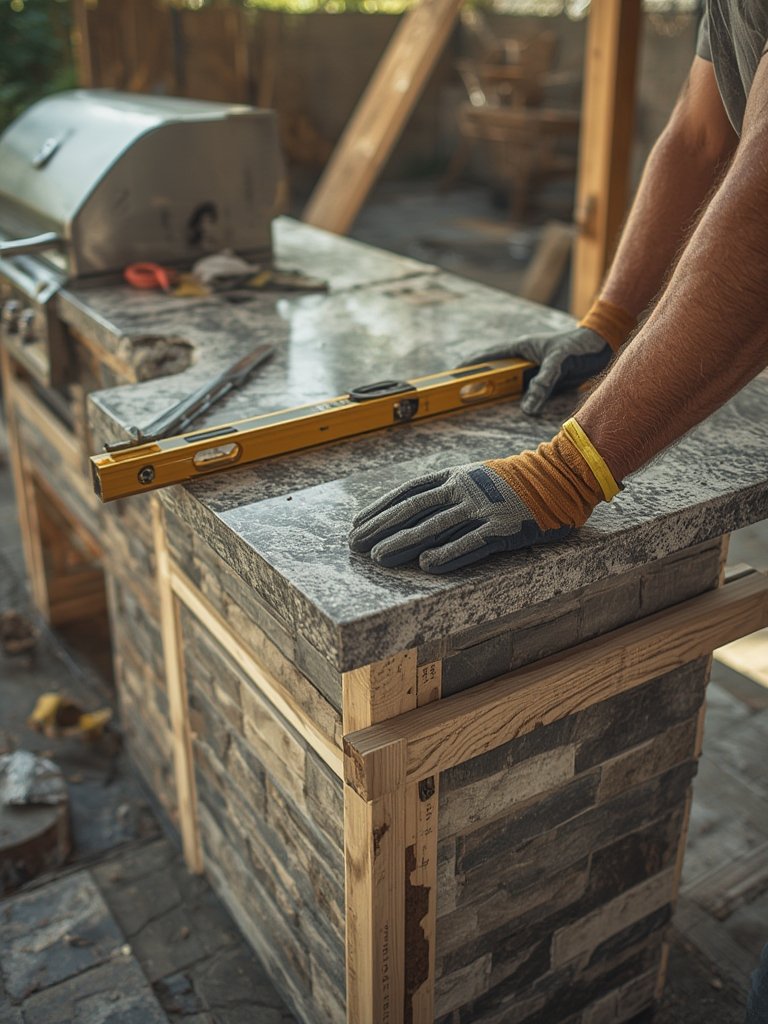
Modular kits or prefab cabinet/grill/sink combos can be installed in under 4 hours each, reducing total project time by two weeks compared with traditional builds (source). - Ongoing Maintenance
Clean stainless steel and aluminum surfaces as directed. Maintain gas and water lines. Plan for winterizing in cooler climates to prevent damage.
Need yard transformation ideas to match your new kitchen? Find strategies in our yard design guide.
Advanced Analysis & Common Pitfalls
While most guides only skim the surface, here’s where real-world issues stall or spoil outdoor kitchen installation projects:
- Weatherproofing Neglect: Poor material choice leads to rust, warping, or mold. Always use weather-graded cabinets and counters, especially outside warm, dry regions.
- Overlooking Utility Complications: Incorrect or unsafe gas, electric, or water hookups can risk safety or result in code failures. Bring in specialists for complex runs or when dealing with propane/natural gas.
- Ignoring Permits & Regulations: Skipping permits may lead to fines or even forced removal. Most regions require inspections for outdoor gas and power work.
- Poor Lighting and Tech Integration: Lack of LED zoning and app/control features results in poor usability after dusk. Few guides cover integration details.
- ADA Non-Compliance: If family or guests need accessible features (lower counters, wider clearances), standard plans may create obstructions or safety hazards.
- No User Complaint Data: Unlike bathroom upgrades—see our bathroom remodel post with common pain points—there is little reporting of “regrets” in this category, but that just means issues aren’t well documented, not that they don’t exist.
| Feature | Standard Build | Modular/Prefab Install |
|---|---|---|
| Typical Timeline | 2-4 weeks | 1-2 days |
| Permit Requirement | Always (esp. for gas/electric) | Often still required |
| Main Advantages | Bespoke design, any layout | Fast, low-mess, site-adaptable |
| Main Risks | Delays, higher cost, weather risk | Limited customization, possible gaps if not leveled perfectly |
| Material Trends (2024) | Stone, poured concrete, wood (risk) | Aluminum/stainless cabinets, composite counters |
See more actionable home improvement concepts in our article on spa bathroom remodeling—the best practices for durability and compliance often overlap.
Conclusion
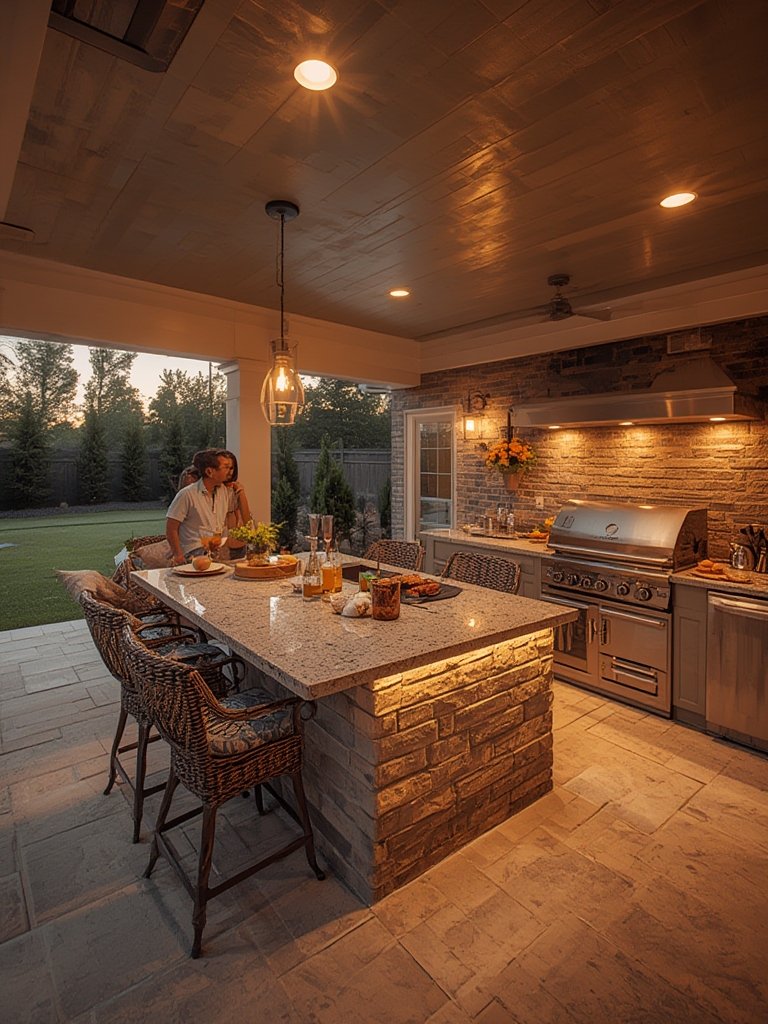
Outdoor kitchen installation makes your backyard a true extension of your home—a social, flexible, all-weather living zone that increases value and lifestyle options. Take time to plan utilities, permits, lighting, and materials up front. Modular and smart technology solutions are radically reducing build times and maintenance, but local codes and climate still drive essential decisions. If you want the benefits with fewer headaches, start with modular kits and IoT appliances, but never shortcut on safety, code compliance, or weatherproofing. Need more inspiration? Explore spa bathroom renovation tips or outdoor landscaping design ideas to create your dream retreat. For your next big upgrade, follow this guide and enjoy the results of your outdoor kitchen installation.
Ready to turn your vision into reality? Start planning your outdoor kitchen installation, and share your questions or project updates below.
Frequently Asked Questions
How much does an outdoor kitchen installation cost in 2024?
No direct 2024 homeowner spending data is available, but the related cabinets market was $3.1 billion, while appliances hit $7.2 billion globally. Prefab modular kits reduce labor cost and install time, but prices still vary based on size, appliances, and materials. Plan on $5,000 to $20,000+ for most full-featured installations.
Do I need a permit to install an outdoor kitchen?
In most regions, yes—especially if you’re running new gas, electric, or water lines. Always check local requirements before starting. Failing to do so can cause major delays and legal trouble.
What are the best materials for outdoor kitchen cabinets and counters?
Aluminum and coated stainless steel are best for cabinets, as they don’t rust and are easy to clean. For counters, choose weather-resistant stone or composite. Avoid wood unless fully marine-graded.
How do I make my outdoor kitchen usable at night?
Install integrated, weatherproof LED lighting—ideally with zones for prep and dining. App-controlled smart lighting systems are increasingly mainstream and let you set the mood or improve safety.
Can outdoor kitchens be made ADA compliant?
Yes. Use lower counter heights (no more than 34″), maintain clear space and accessible pathways, and select front-control appliances for wheelchair access. Most kitchen plans can be modified with these principles in mind.